Somatic coaching · Online · UK & worldwide
Somatic coaching for people-pleasing
For anyone who finds it hard to say no.
If you find it hard to say no, worry about upsetting people, or lose yourself looking after everyone else, you’re not alone. I was a people pleaser for a long time, and it’s one of the patterns I work with most.
I offer one-to-one somatic coaching online, so you can work with me from home, wherever you are.
Signs you might be a people pleaser
You say yes when you want to say no, then feel drained or resentful.
You apologise a lot, even when you haven’t done anything wrong.
You avoid conflict, or go quiet to keep the peace.
You feel responsible for how other people feel.
You find it hard to know what you want, or to ask for it.
Setting a boundary leaves you feeling guilty or anxious.
What is people-pleasing?
People-pleasing is a habit of putting other people’s needs, feelings and approval ahead of your own, often at your own expense. It isn’t a diagnosis. It’s a pattern of behaviour, and it usually makes sense once you understand where it came from.
Why is people-pleasing so hard to stop?
For many people, people-pleasing started as a way to stay safe or keep the peace, often early in life. Your nervous system learned that keeping others happy made things feel calmer. Some therapists call this the “fawn” response.
Because it’s a protective pattern, deciding to stop often isn’t enough on its own. You can know exactly why you do it and still feel the pull to say yes.
“You can care about someone deeply and still decide that something needs to change.”
Ruth
How does somatic coaching help with people-pleasing?
Somatic coaching works with how people-pleasing shows up in your body, as well as in your thoughts. Together we notice the tension, the urge to agree, or the guilt that comes when you put yourself first, and build practical tools to stay steadier in those moments.
We also explore where the pattern came from and what boundaries could look like in your life, at a pace that feels manageable. Where it’s helpful, I bring in Brainspotting, parts work and hypnotherapy.
How working together works
01
Book a free 30-minute call
We talk about what’s going on for you, and you can ask me anything. There’s no pressure to book.
02
Six one-to-one sessions
We meet online by video for 60 minutes, usually weekly, at a pace that suits you.
03
Tools you can use
You’ll have practical, body-based tools to use between sessions, and we review your progress together towards the end.
Every programme is tailored to you, so fees depend on what you need. I’ll talk you through the options on your free call.
“I wanted to let go of people-pleasing tendencies and to become a calmer, more patient parent, but I needed additional tools to get there… Our house is calmer and my kids are getting a more grounded and present version of me.”
Kimberly E., Google review · Read more client stories

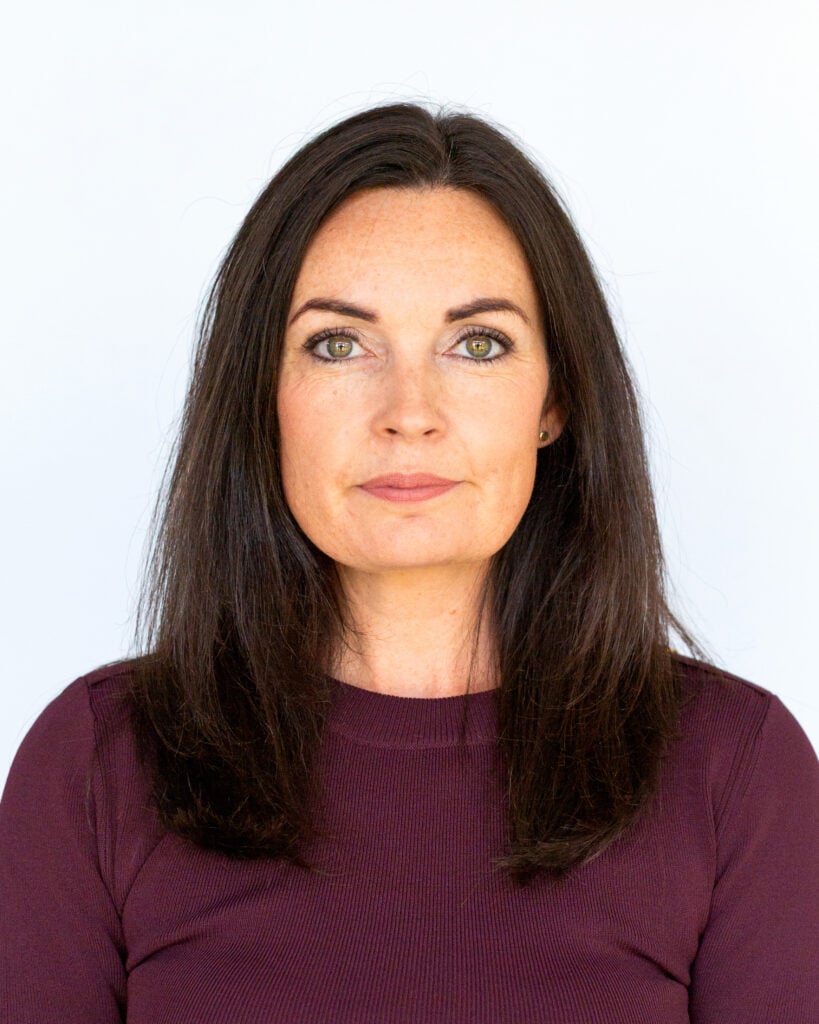
About Ruth Edwards
For a long time I was a people pleaser. I struggled to set boundaries and was always looking for approval from other people. Counselling and psychotherapy helped for a while, but the change didn’t last until I understood how much my body was holding.
That experience is why I do this work. I’m a somatic trauma-informed coach based in Shrewsbury, Shropshire, working with clients online across the UK and internationally.
BSc (Hons) Psychology · ICF and CPD accredited somatic trauma-informed coaching certification · Brainspotting Practitioner, Phase 3 · Somatic Experiencing, Foundation Level · Certified Hypnotherapist (American Board of Hypnotherapy) · CPD accredited Narcissistic Abuse Specialist · Internal Family Systems (IFS) educated
Related support
- Why Don’t I Ever Feel Good Enough? – a free guide to five patterns that may be affecting your self-worth
- Self-worth coaching
- Online somatic coaching
- Why can’t I get things done, even when I want to? – blog
People-pleasing: common questions
Is people-pleasing a mental health condition?
No. People-pleasing isn’t a diagnosis. It’s a pattern of behaviour that often develops as a way of staying safe or keeping relationships calm.
Is people-pleasing linked to trauma?
It can be. For some people it develops after difficult or unsafe experiences, and for others it’s simply how they learned to get along in their family. You don’t need to have experienced trauma to work with me on it.
Do sessions take place online?
Yes. One-to-one sessions are by video call, so you can join from anywhere in the UK or the world. I offer a limited number of evening and weekend appointments.
How many sessions will I need?
We start with six 60-minute sessions. Towards the end we review where you are and decide together whether further sessions would help.
Is somatic coaching the same as therapy?
No. Coaching works alongside other support rather than replacing counselling, psychotherapy or medical care. It brings in body-based approaches as well as conversation and goal-setting.
Let’s have a chat
The first call is free and takes 30 minutes. Choose a time below, or email ruth@thesomatichealingcoach.com or call 07920 424736.